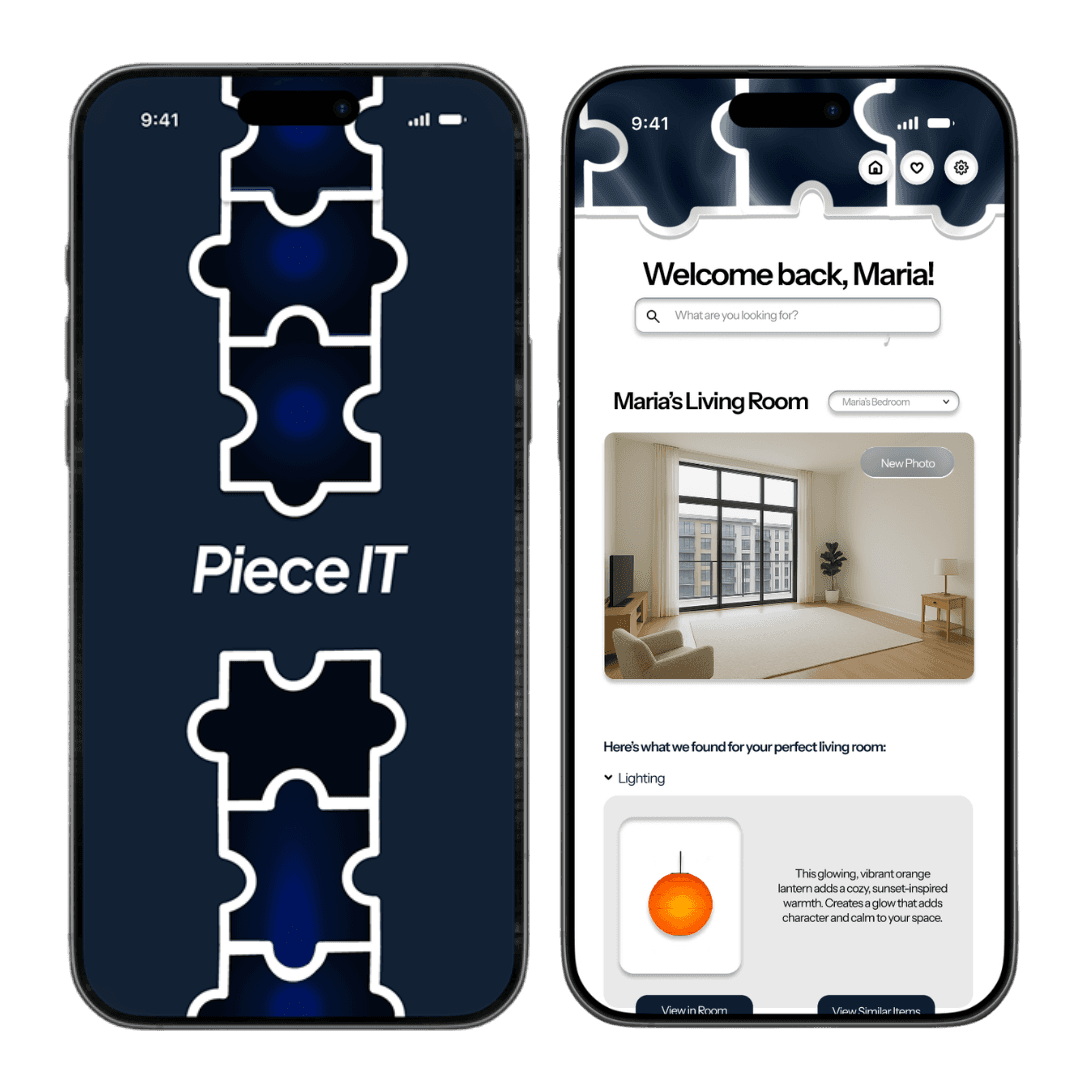
The Problem
My primary challenge was approaching this application from a creative standpoint rather than a purely feature-driven one. The core question became: how do I differentiate PieceIT from existing interior design apps without compromising the simplicity and clarity that define its purpose?
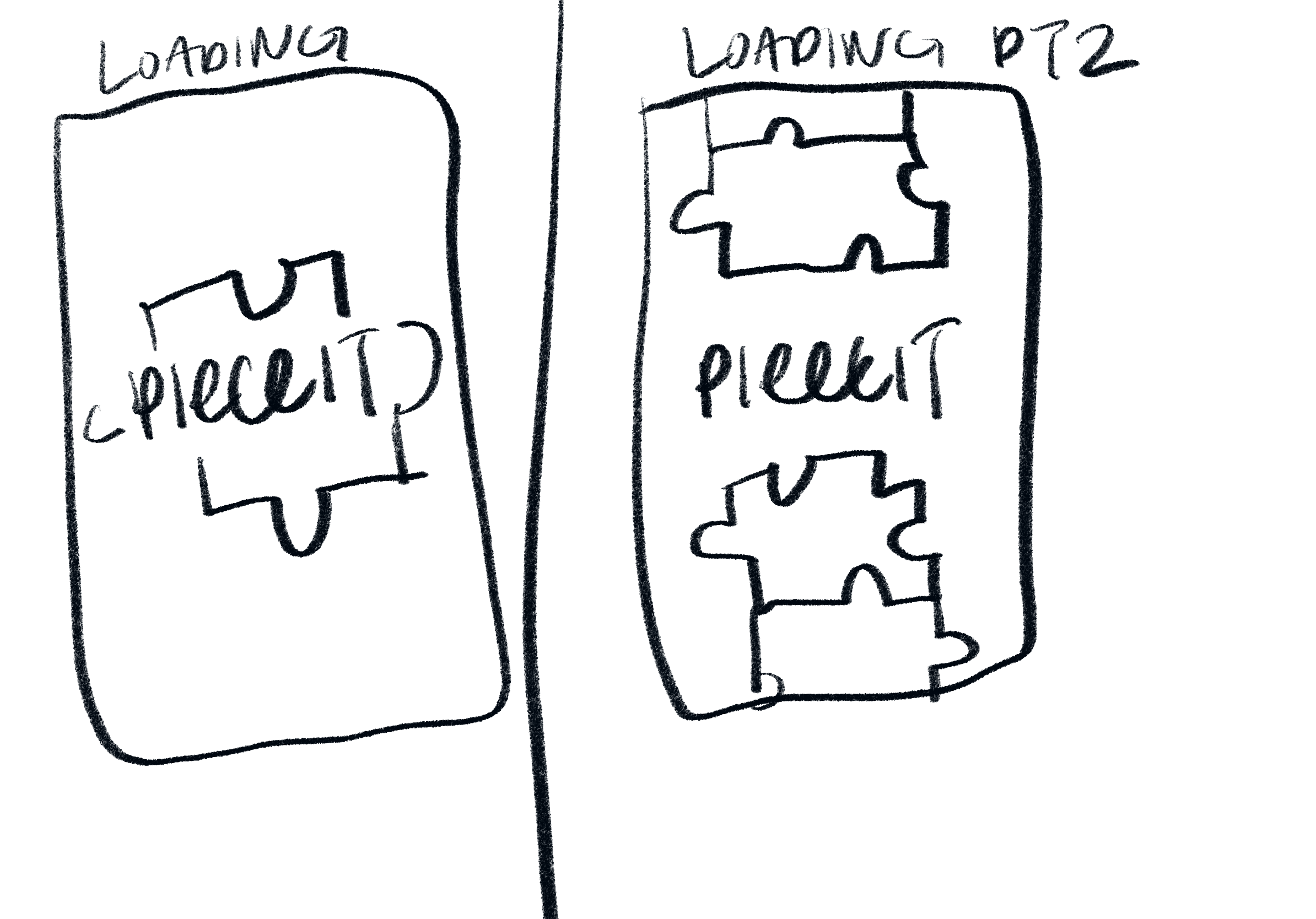
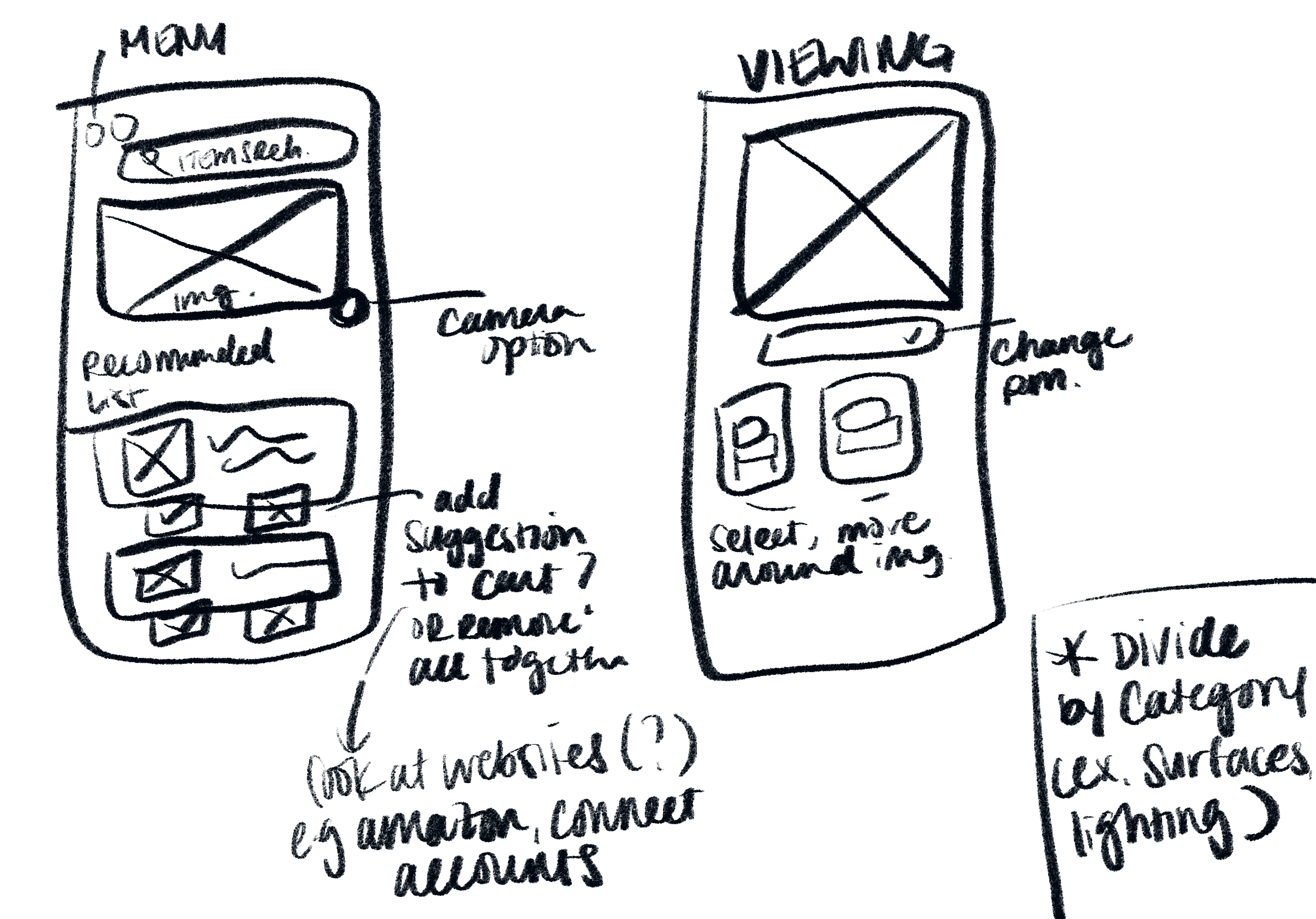
Research & Insights
I examined the existing landscape of interior design and furniture planning applications. A recurring pattern emerged within existing tools in the space:
IKEA Place offered strong AR functionality but existed primarily as a shopping extension rather than a genuine design environment. The experience began and ended with IKEA's catalog, limiting creative freedom and personal expression.
Houzz provided an expansive library of inspiration and professional portfolios, but its depth made it overwhelming for casual users who simply wanted to furnish a room without navigating a platform designed for industry professionals.
Roomstyler allowed users to build room layouts from scratch with a drag-and-drop interface, but its dated visual design and lack of personalization made the experience feel transactional rather than inspiring, falling short of engaging users on a creative level.
These findings reinforced PieceIT's direction: most tools were either too complex or too generalized.
Design Decisions
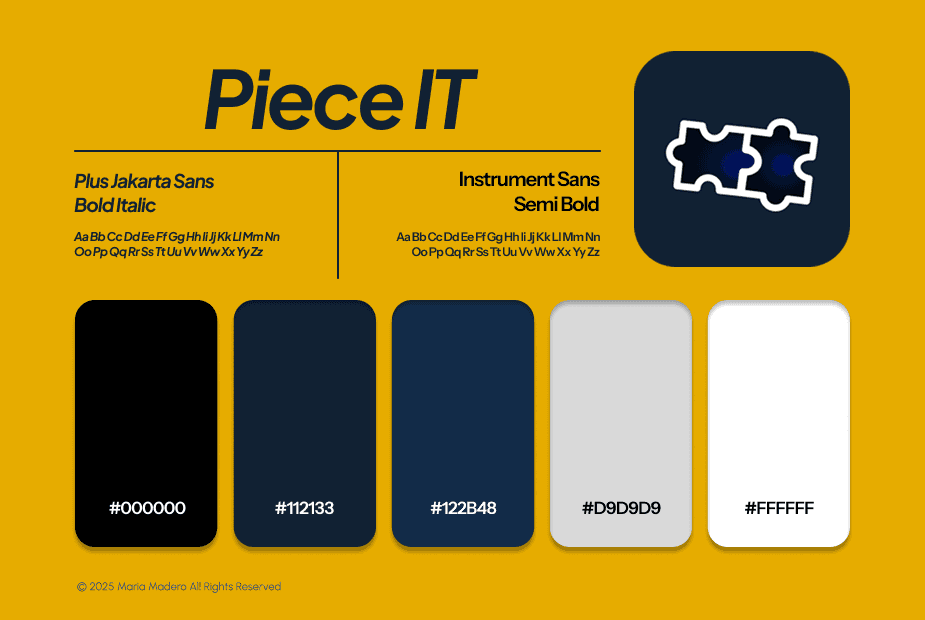
A dark, minimal aesthetic was chosen to keep focus on the user's space and furniture selections rather than the interface itself. Typography was kept clean and legible, and interactions were designed to provide immediate visual feedback, reducing the cognitive load typically associated with interior planning tools.
Main Challenges
Finalized Prototypes